In short

What to know before you go.

Time neededA half-day (about 3-4 hours) or full-day safari; the park itself is open 6:00 AM to 6:00 PM
How easyEasy — you stay seated in a 4x4 jeep for almost the whole visit
Best timeEarly morning (6:00-9:30 AM) or late afternoon (2:30-6:00 PM); the dry season, February to July, gives the best leopard sightings
EntryTicketed — paid in cash at the gate, not included in your Sarisara price; the jeep safari itself is arranged separately with a safari operator or your hotel

About this place

Researched by Sarisara, with sources.

About this activity

Yala National Park sits in the dry southeast corner of Sri Lanka, near the towns of Tissamaharama and Kataragama. It is run by the Department of Wildlife Conservation and is made up of several numbered blocks, or zones; almost all visitors go to Block 1, the most accessible and the richest in wildlife.

Yala is best known for its leopards. It is reported to have the highest density of leopards of any park in the world, which means your chances of seeing one on a safari here are better than almost anywhere else, though a sighting is never guaranteed — these are wild animals, not a zoo. Alongside leopards, the park holds elephants, sloth bears, crocodiles, water buffalo, deer, and a large variety of birds, especially around its lakes and waterholes.

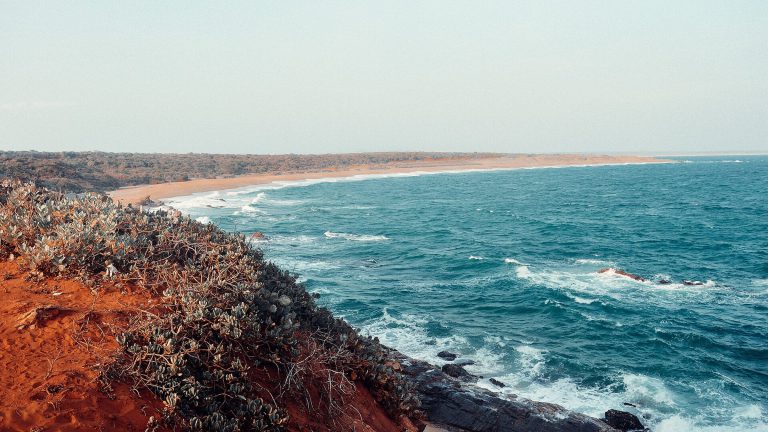
You see the park from an open 4×4 jeep with a safari driver or tracker, on marked dirt tracks through dry scrub forest, open grassland, and rocky outcrops, with the coast not far away on the park’s southern edge. Safaris run in the morning and again in the afternoon, with the park closed to vehicles in the middle of the day. Most visitors book a half-day or full-day safari through their hotel or a local safari operator, who arranges the jeep and the entrance ticket together.

Each year, Block 1 closes to visitors for about a month, usually from around September to mid-October, so the park can rest from tourist traffic during the height of the dry season.

Entrance ticket

Entrance tickets are not included in Sarisara prices. Please pay them in cash at the gate.

  • Foreign visitor, adult (non-SAARC)USD 25
  • Foreign visitor, child (non-SAARC)USD 15
  • Visitor from a SAARC country, adultUSD 20
  • Visitor from a SAARC country, childUSD 10

Last checked: 21 Oct 2026. Prices are set by the temple and can change.

These are the Department of Wildlife Conservation's base entrance permit prices, confirmed by two independent, dated sources (read 20 Oct 2026). A service charge and 18% VAT are added on top at the gate, and a separate vehicle (jeep) fee also applies, so the total you pay at the gate is higher than these base numbers. The jeep and its fee are arranged separately, through a safari operator or your hotel, not through Sarisara. None of this is included in your Sarisara price.

What to wear

Casual, practical safari clothing — this is not a temple, so there is no religious dress code, but sun protection matters.

Wear

  • Light, neutral-coloured clothing (khaki, green, grey) that will not show dust
  • Long sleeves and long trousers, even in the heat, to protect against sun and insects
  • Closed, comfortable shoes
  • A hat and sunglasses

Avoid

  • Bright colours or white, which stand out and can affect wildlife sightings
  • Strong perfume or scented products

Not dressed right? There is no dress check at the gate; this is about comfort and sun protection, not a rule that will stop you entering.

How to behave

Please do

  • Stay seated inside the jeep at all times unless your driver says it is safe to stand
  • Keep your voice down near any animal sighting
  • Follow your driver's and tracker's instructions immediately
  • Keep all food, wrappers and rubbish inside the jeep and take it out with you
  • Use a zoom lens or binoculars rather than trying to get closer to wildlife
  • Arrive at the gate on time for your booked safari session

Please do not

  • Do not feed any animal, under any circumstances
  • Do not leave the jeep, lean out of it, or climb on its roof
  • Do not use flash photography near animals
  • Do not play music or make loud noise
  • Do not take or disturb any plant, rock, bone, or other natural object
  • Do not approach or try to touch wildlife, however calm it looks

Allowed and not allowed

Allowed

  • Photography and filming from inside the jeep, including with zoom lenses
  • Short stops at designated rest areas to stretch or use the toilet

Not allowed

  • Drones — flying a drone anywhere in the park is against park rules
  • Smoking or alcohol anywhere inside the park
  • Getting out of the vehicle except at a designated spot
  • Vehicles other than registered, licensed safari jeeps
  • Driving faster than the park's speed limit (about 25 km/h)

What to bring

  • Cash in Sri Lankan rupees, or a card if the gate accepts one, for your entrance ticket
  • Binoculars, if you have them
  • A hat, sunglasses, and sun cream — jeeps are open-sided
  • A light scarf or buff for the dust on the tracks
  • Water, and snacks if your safari is a full day
  • A camera with a zoom lens; animals are often some distance away

Opening times

Opening hours

  • Open every day of the year, except during the annual closure described below, About 6:00 AM to 6:00 PM, with the park closed to vehicles from about 12:00 PM to 2:00 PM; morning safaris run roughly 6:00-10:00 AM and afternoon safaris roughly 2:00-6:00 PM

Special days

  • Block 1 (the main visitor zone) normally closes for about a month, from around early-to-mid September to mid-October each year, for habitat management and to give wildlife a rest during the height of the dry season; exact dates vary by year and are set by the Department of Wildlife Conservation

Hours and the midday closure are reported consistently by independent safari guides (read 20 Oct 2026). The annual September-October closure of Block 1 is well documented in 2026 news coverage; check with your guide for that year's exact dates if travelling in that window.

Good to know

  • You cannot visit without a safari jeep and a licensed driver/tracker; independent entry on foot or by private car is not how this park works
  • The park is closed to vehicles between roughly 12:00 PM and 2:00 PM every day
  • Tracks are dusty, especially in the dry season — a scarf or buff over your mouth helps
  • July-August and December-January are the busiest months, with more jeeps on the tracks
  • A leopard sighting is likely but never guaranteed — this is wild, free-roaming wildlife
  • Toilets are generally available near the main entrance area, not deep inside the park

Who runs this place

Department of Wildlife Conservation, Sri Lanka Official website

Where it is

Yala National Park, Hambantota/Monaragala Districts, near Tissamaharama, Sri Lanka

In the same area

Trips, experiences and stays in and around Hambantota.

Experiences

See everything in Hambantota →
Photo credits
  • Photo 1: Sri Lankan Leopard’s Direct Gaze — Sarisara Lanka
  • Photo 2: Asian Elephant with Lotus Blossoms — Sarisara Lanka
  • Photo 3: Crested hawk-eagle in leafy forest — Sarisara Lanka
  • Photo 4: Elephant Family on a Wet Forest Trail — Sarisara Lanka
  • Photo 5: Elephant hooks tusk under safari jeep rail — Sarisara Lanka
  • Photo 6: Leopard Family Under Rocky Overhang — Sarisara Lanka
  • Photo 7: Majestic Peacock in Woodland Display — Sarisara Lanka