What is it really like to sleep in a Sri Lankan family’s home, eat what they cook and wake up to their morning? A home stay is the simplest way to find out. It is also one of the most misunderstood words in Sri Lankan travel, so let us start with what it really means.
What a home stay is
In Sri Lanka, “home stay” is an official category. The Sri Lanka Tourism Development Authority (SLTDA) describes a Home Stay Unit as a house where a family lives, with one to four guest rooms, where the guests and the family spend time together. That last part matters: the family lives there. You are not renting an empty house. You are a guest in someone’s home.
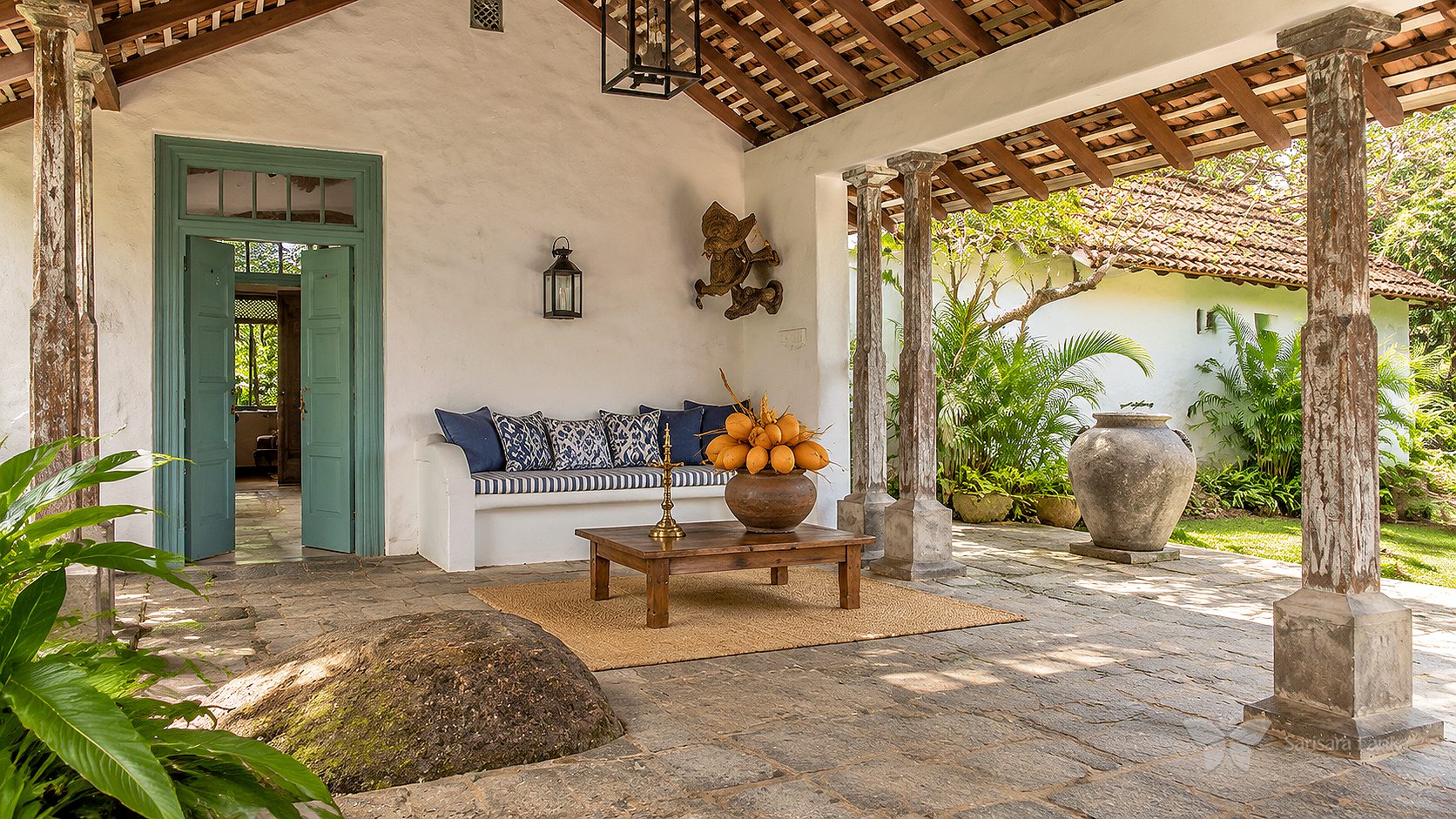
There is a second, special kind: a Heritage Home, a house that is more than 100 years old.
What every registered home stay must have
To be registered, a home must meet the authority’s standards. An SLTDA officer inspects the house within 30 days of the family applying. Among other things, a home stay must have:
- guest bedrooms of a set minimum size (about 9 m² for one person, 11 m² for two)
- a separate bathroom for guests
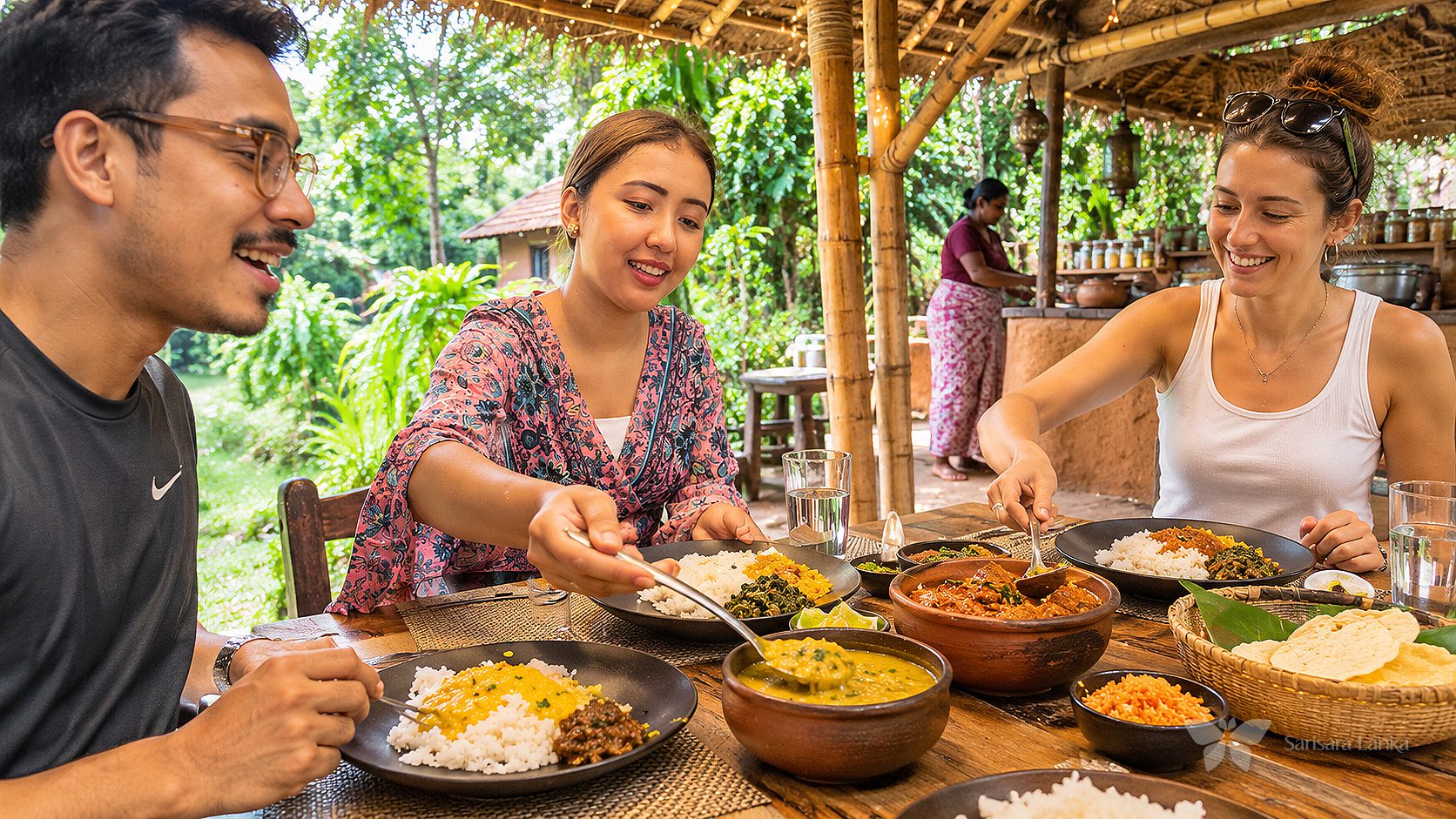
- a place to eat, and kitchen facilities
- meals, or the choice to cook for yourself
- a first-aid kit and a laundry service
- a guest register, where every guest is written down
How a day can unfold
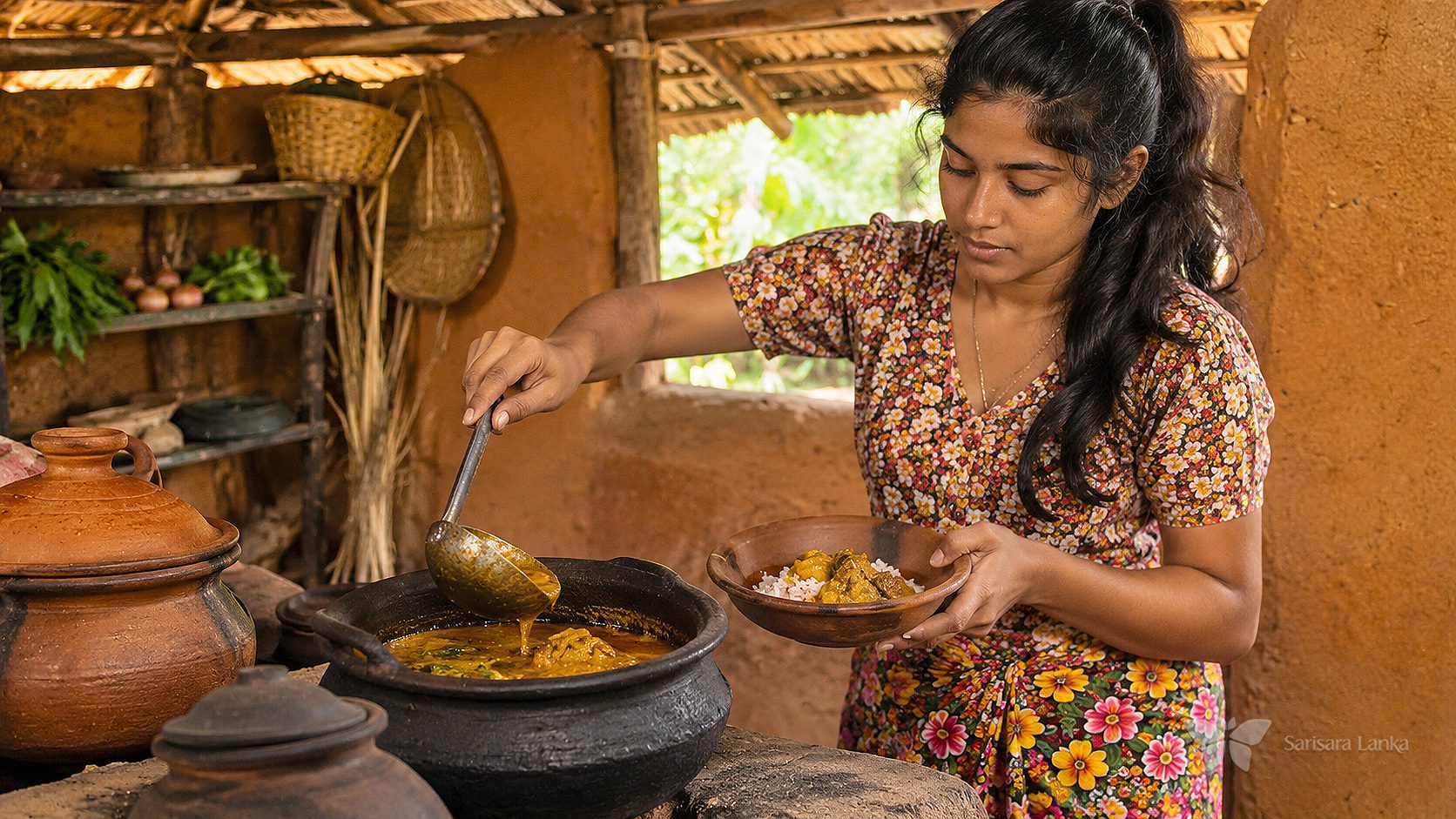
Every home is different, and what you do depends on the family and the place. A home in the hill country lives by a different rhythm from one near a beach or beside rice fields. What every home stay shares is the meals and the family around them.
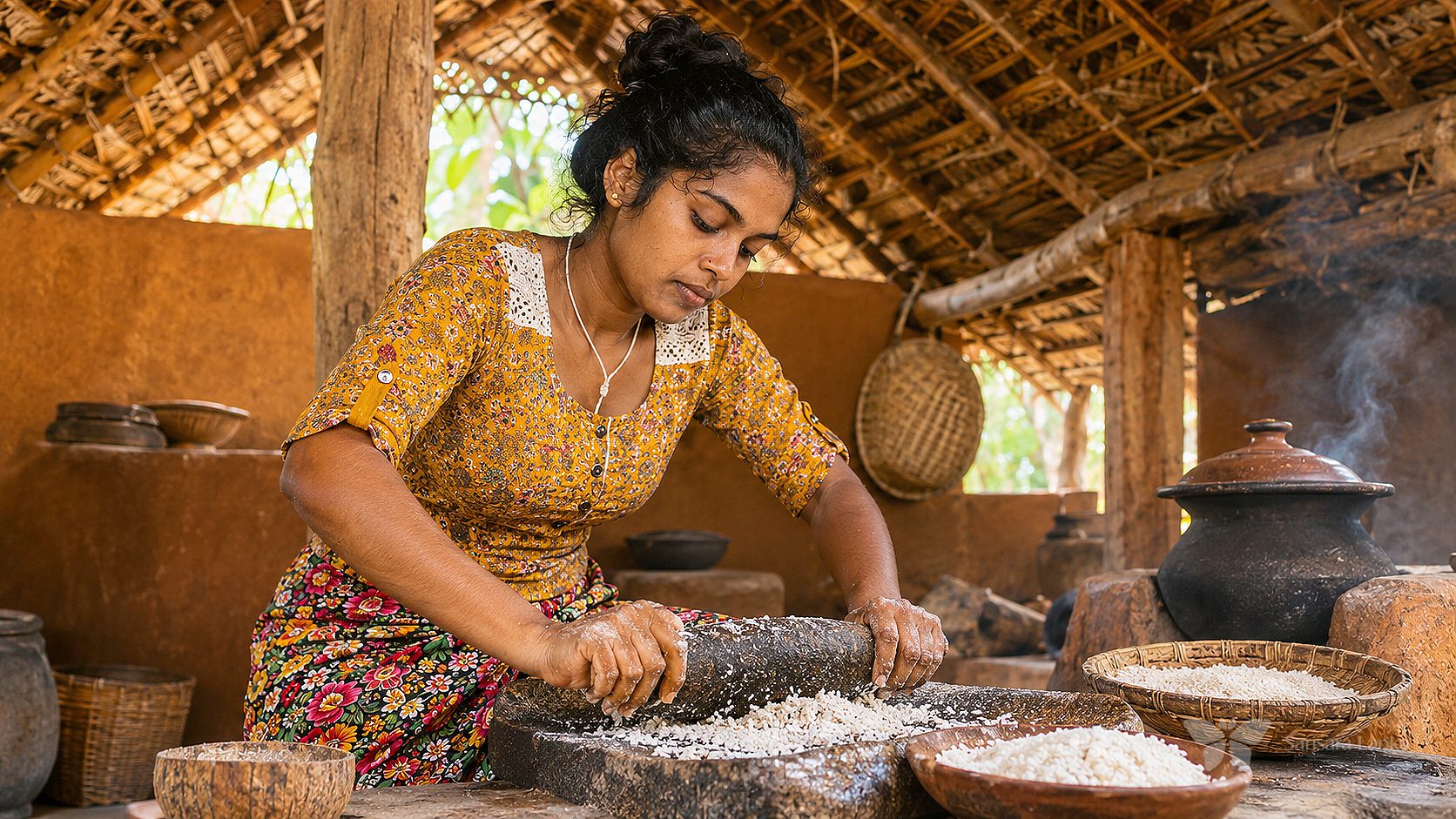
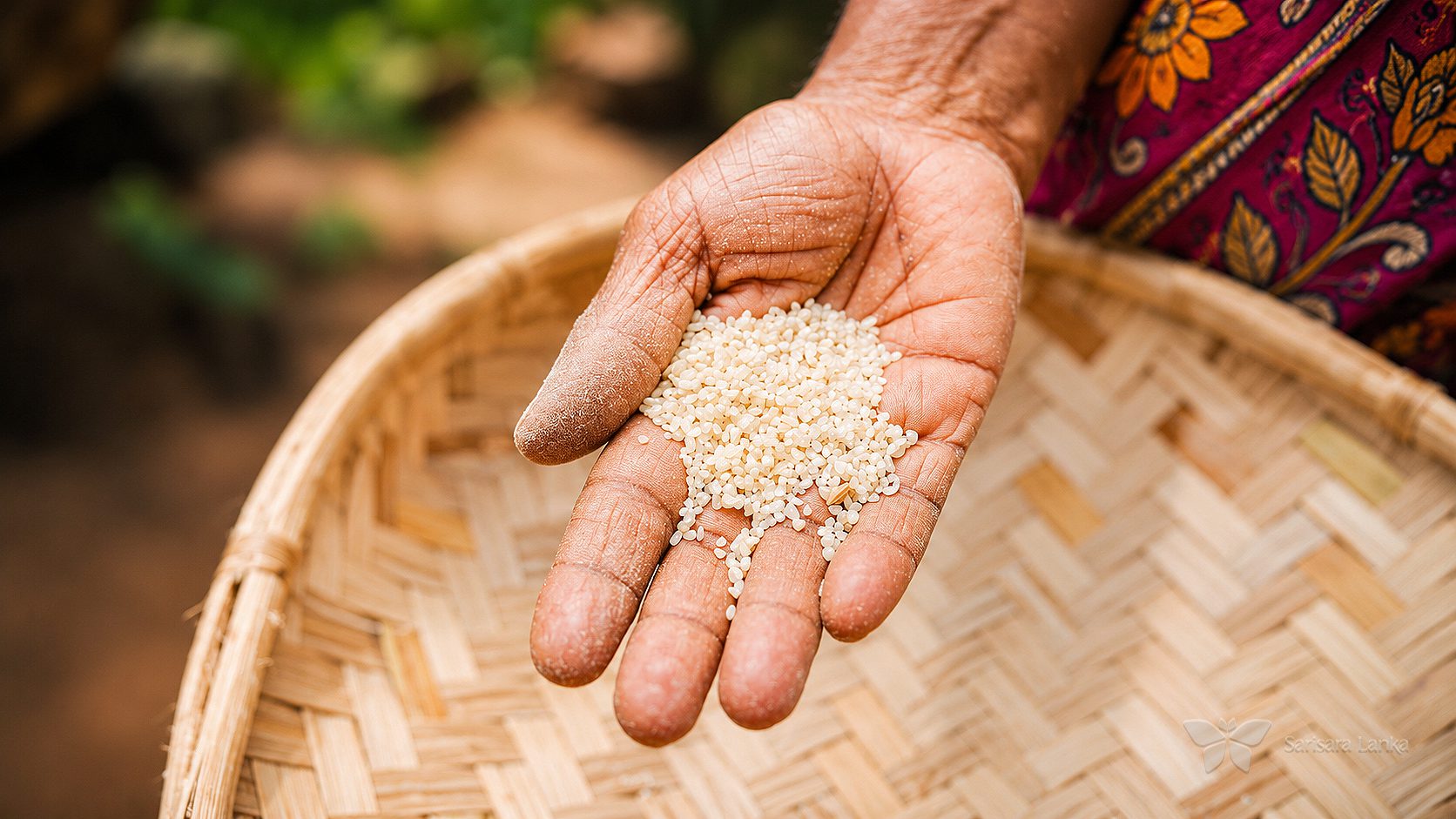
Breakfast is often the first lesson. If your host makes string hoppers, you will see rice-flour dough pressed through a small mould into thin threads, laid on little woven mats and steamed. They are eaten with a curry or a coconut sambol.
After that, the day is yours to shape with your hosts. Things you can ask about:
- helping in the kitchen, or watching how a curry is made from the start
- a walk through the garden, to see what grows there and ends up on the plate
- a walk to the village shop, the temple or the fields
- how the family celebrates the holidays of the month
The numbers
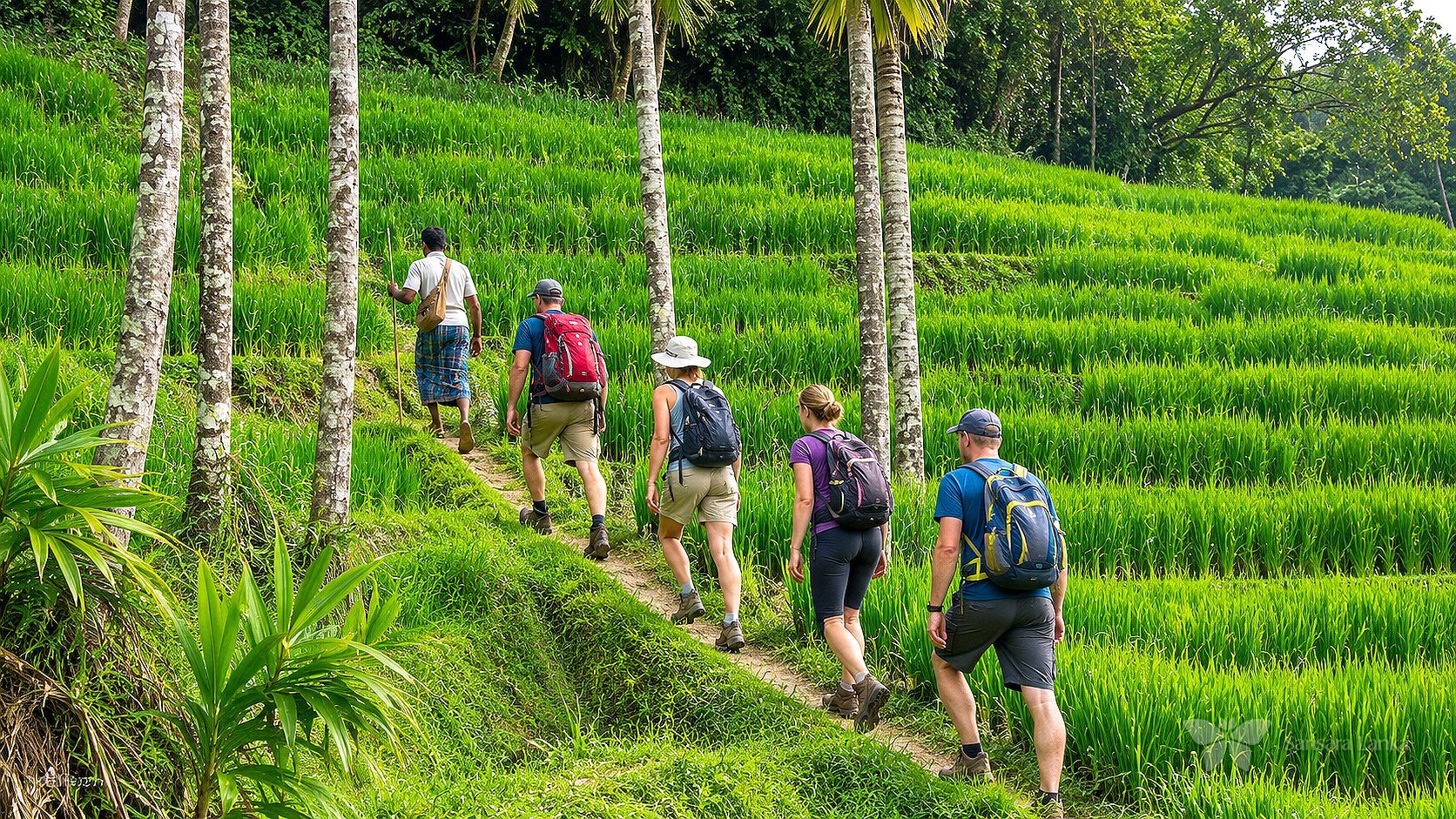
Home stays are growing. The SLTDA counted 1,160 registered home stay units at the end of 2025, up from 1,112 a year earlier. The authority describes this as a sign of the continued strength of small, community-based tourism.
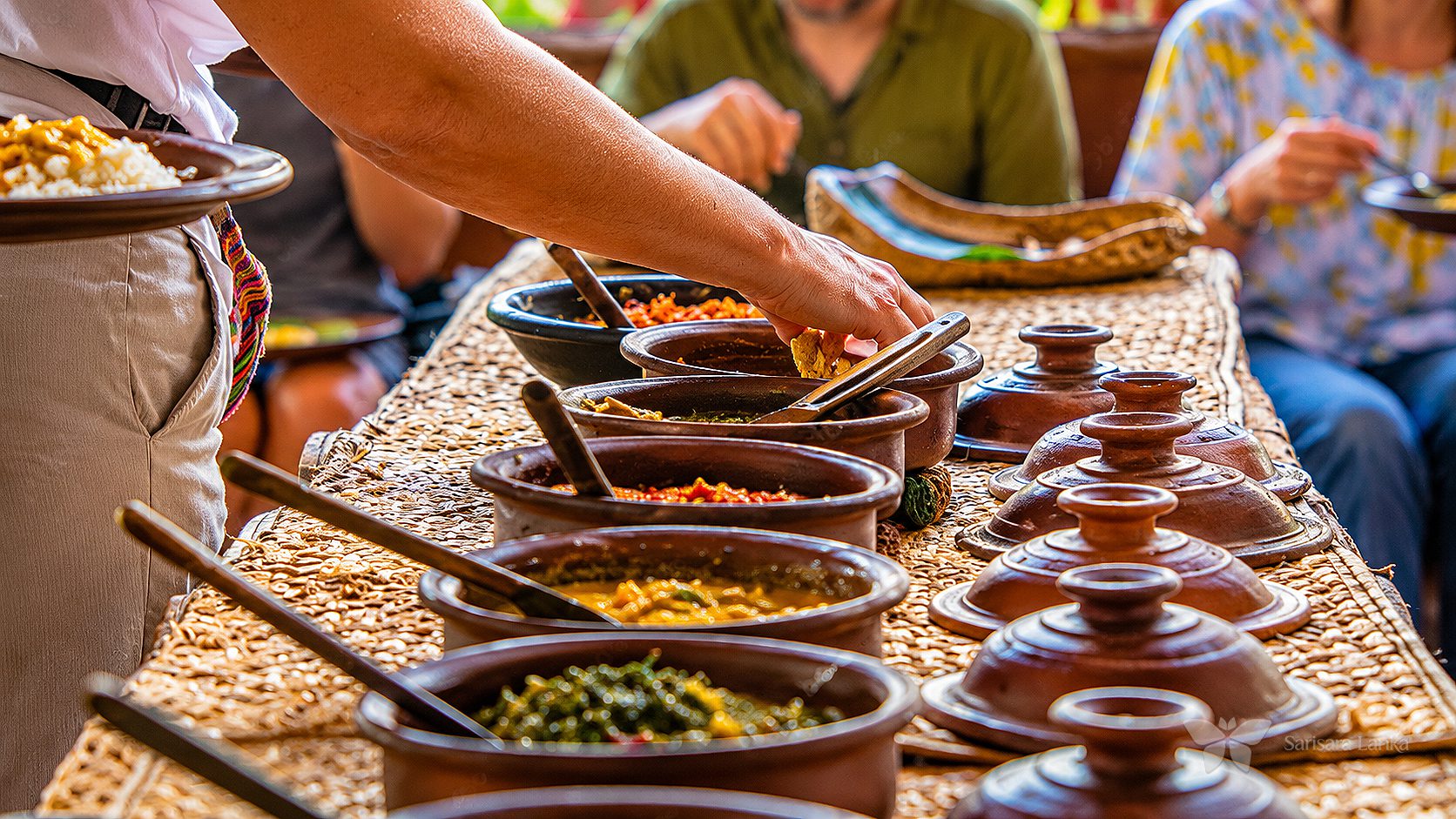
What only a local will tell you
- Take your shoes off before you enter the house. Look for the shoes left at the door.
- If you eat with your fingers, as many Sri Lankans do, use your right hand.
- Ask before you take photos of the family, especially of the children.
- Say “Ayubowan” when you arrive. It means “may you live long”, and your hosts will smile.
Stay with a family
Our home stays are family homes across the island, each with its own garden, kitchen and way of life. You can see them all under Home stays, or ask one of our guides to add a night or two with a family to your trip.
Questions
- Sri Lanka Tourism Development Authority, Home Stay www.sltda.gov.lk
- SLTDA, Year in Review 2025 (2 Apr 2026) www.sltda.gov.lk