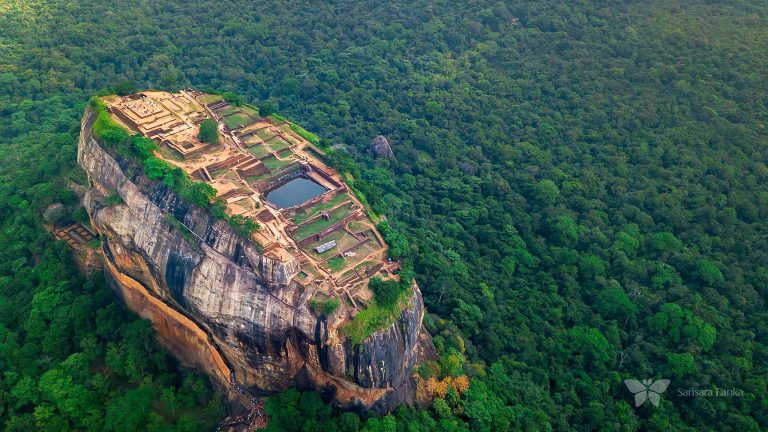
Why do some of the biggest animals that have ever lived swim so close to a small fishing town? Every year, as the south coast turns sunny, the boats of Mirissa head out at first light to meet them.
The harbour at first light
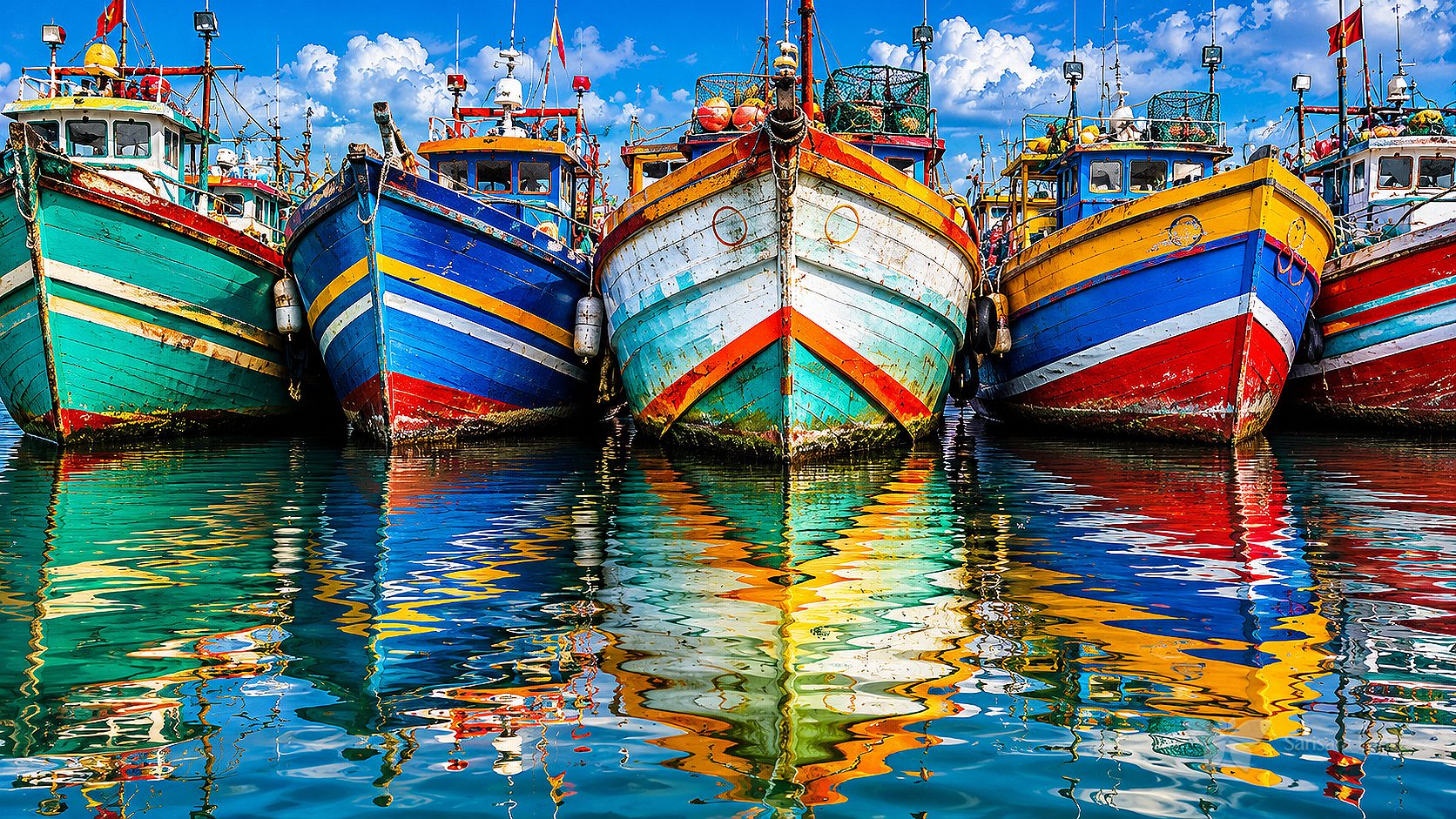
Mirissa sits on Sri Lanka’s south coast, about 150 km south of Colombo, in Matara District. It is known as the largest fishing port on the south coast, and its boats bring in tuna, snapper and other fish. In the whale months, the same harbour becomes one of the island’s main places to start a whale and dolphin trip.
Boats usually leave early, at around 6:30 to 7:00 in the morning, and a trip takes about 3 to 5 hours.
When to go
Off Mirissa, whale watching runs from November to April. Local boat crews say January to March are the best months.
From May to October, the whales are watched on the other side of the island, off Trincomalee on the east coast. So in almost every month of the year, there is a sea in Sri Lanka where you can see whales.
Why the whales come so close
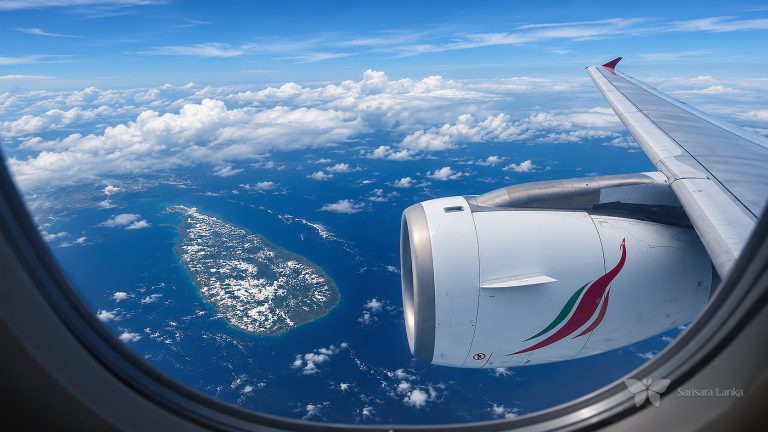
Researchers who study these whales explain it with the sea floor. South of Dondra Head, the island’s southern tip, the shallow shelf around Sri Lanka is at its narrowest. The sea becomes deep very close to the land, with an underwater canyon near Dondra. Blue whales are seen most along the edge of this shelf, between Dondra Head and Galle, where they feed.
What you may see
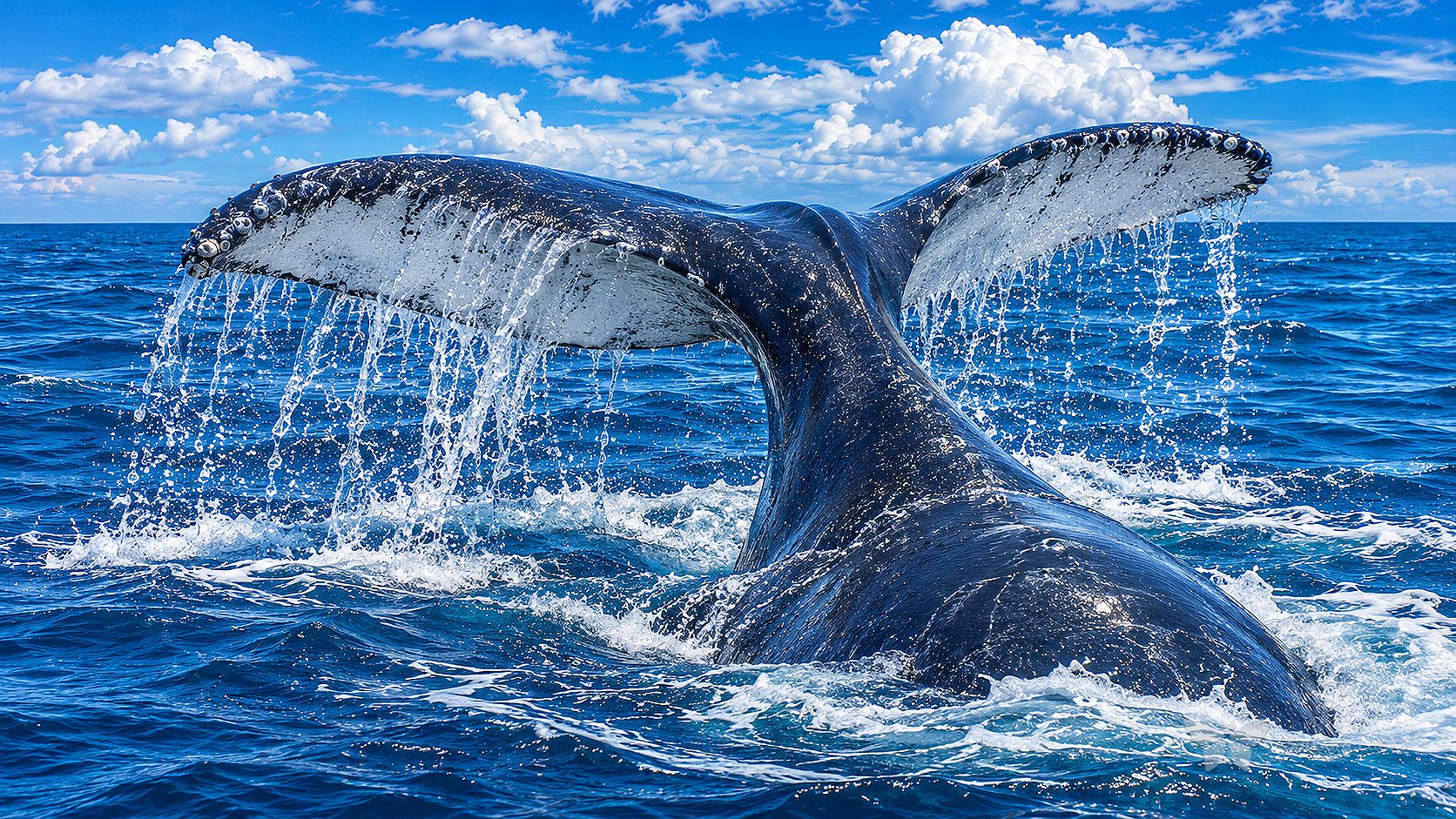
- Blue whales, the largest animals on Earth
- Sperm whales
- Bryde’s whales, and sometimes fin whales
- Large groups of spinner dolphins, jumping and turning in the air
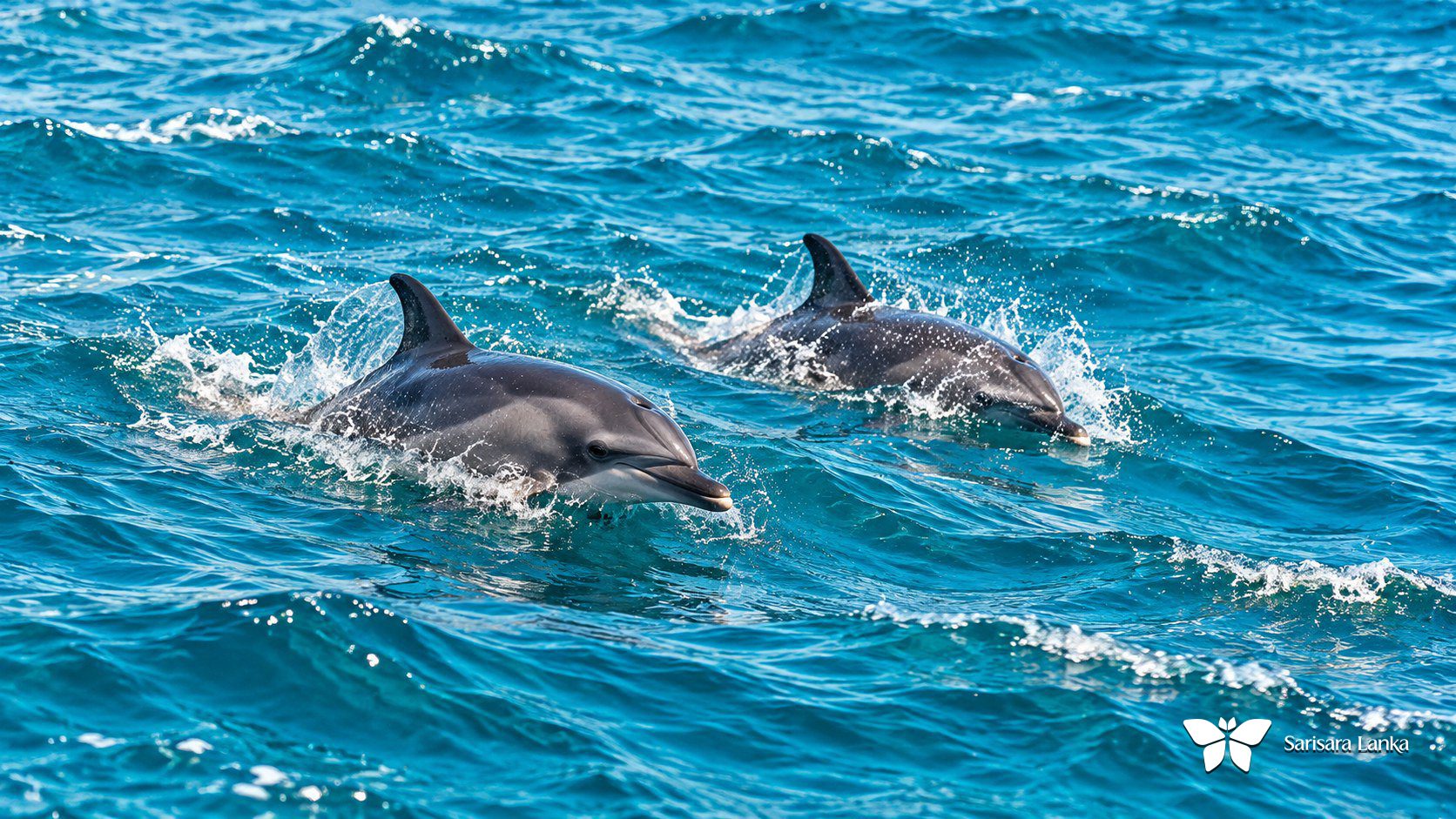
The sea is wild, and nobody can promise what you will see on a given morning. That is part of what makes the moment so special when it comes.
The rules every boat must follow
Whale watching in Sri Lanka is controlled by the Sea Mammals (Observation, Regulation and Control) Regulations of 2012, changed in 2019, under the Fauna and Flora Protection Ordinance. Boats must stay at least 100 metres from a whale.
In 2025, The Morning newspaper reported that some boats were going much closer. So choose a licensed operator, and if your boat goes too close, say so. A whale left in peace stays longer.
What only a local will tell you
- Eat a light breakfast before you go, and bring water, a hat and sun cream. You will be at sea for several hours, with little shade.
- Look for the blow: a tall, thin spray of water above the waves is often the first sign of a blue whale.
Plan a morning at sea
Mirissa fits easily into a trip along the south coast, with Galle Fort, Unawatuna and Tangalle close by. Our guides can add a whale morning to your days, and find you a stay nearby so you are at the harbour before sunrise.
Questions
- Wikipedia, Mirissa en.wikipedia.org
- The Morning, 23 Feb 2025 (whale watching rules) www.themorning.lk
- Blue Lanka Tours, 12 Apr 2025 (seasons and species) www.bluelankatours.com
- Journal of Marine Science and Engineering, Seasonal Occurrence of the Indian Ocean Blue Whale off South Coast of Sri Lanka doi.org