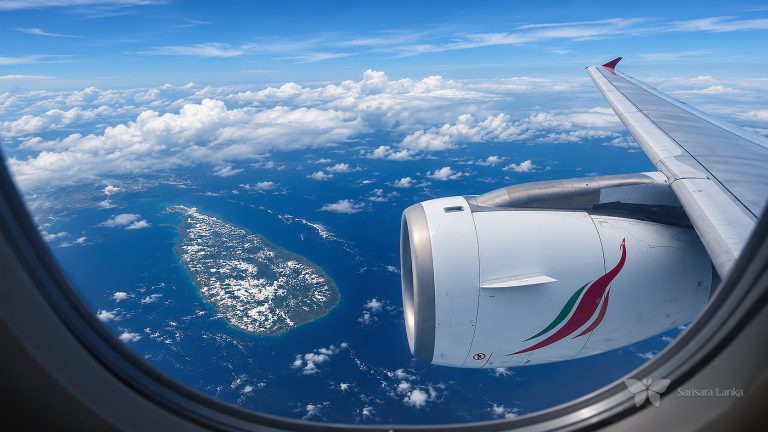
In December, something changes on Sri Lanka’s south coast. The sea in front of Mirissa turns calm and clear, the fishing boats go out under blue skies, and the palm hill above the bay glows gold in the late afternoon. At the same time, on the other side of the island, the east coast is turning green with rain. Why does one small island have two such different coasts in the same month?
The answer is the wind. And it shapes what a traveller can expect in Mirissa, Galle and the beaches between them from December to April.
Two monsoons, two coasts
Sri Lanka has four rainfall seasons a year, explains the government’s Statistical Abstract (Department of Census and Statistics). Rain during the south-west monsoon, from May to September, “is mostly over the South-western parts of the Island”. During the north-east monsoon, from December to February, “the eastern half of the Island” receives the rain.
Mirissa and Galle sit in the south-west. So from December to February they are outside the main monsoon rain, while the east coast has its green season. In March and April, between the two monsoons, the same source says thundershowers can come “in the afternoon or evening”, anywhere on the island, with less rain than in October and November. Over the lowlands, the average temperature through the year is about 27.5°C.
You can see this on the weather maps already. In the last week of November 2026, the Department of Meteorology forecast showers for the Northern and Eastern provinces, while most of the rest of the island stayed mostly dry, with some showers or thunder after 1 or 2 pm.
Mirissa: the harbour, the palm hill and the whales
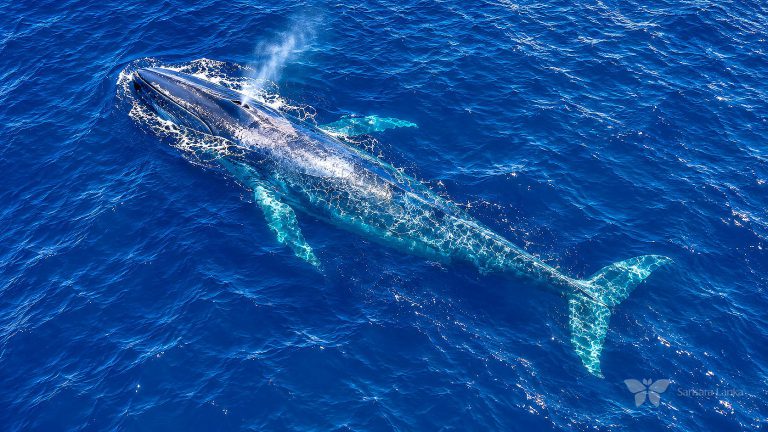
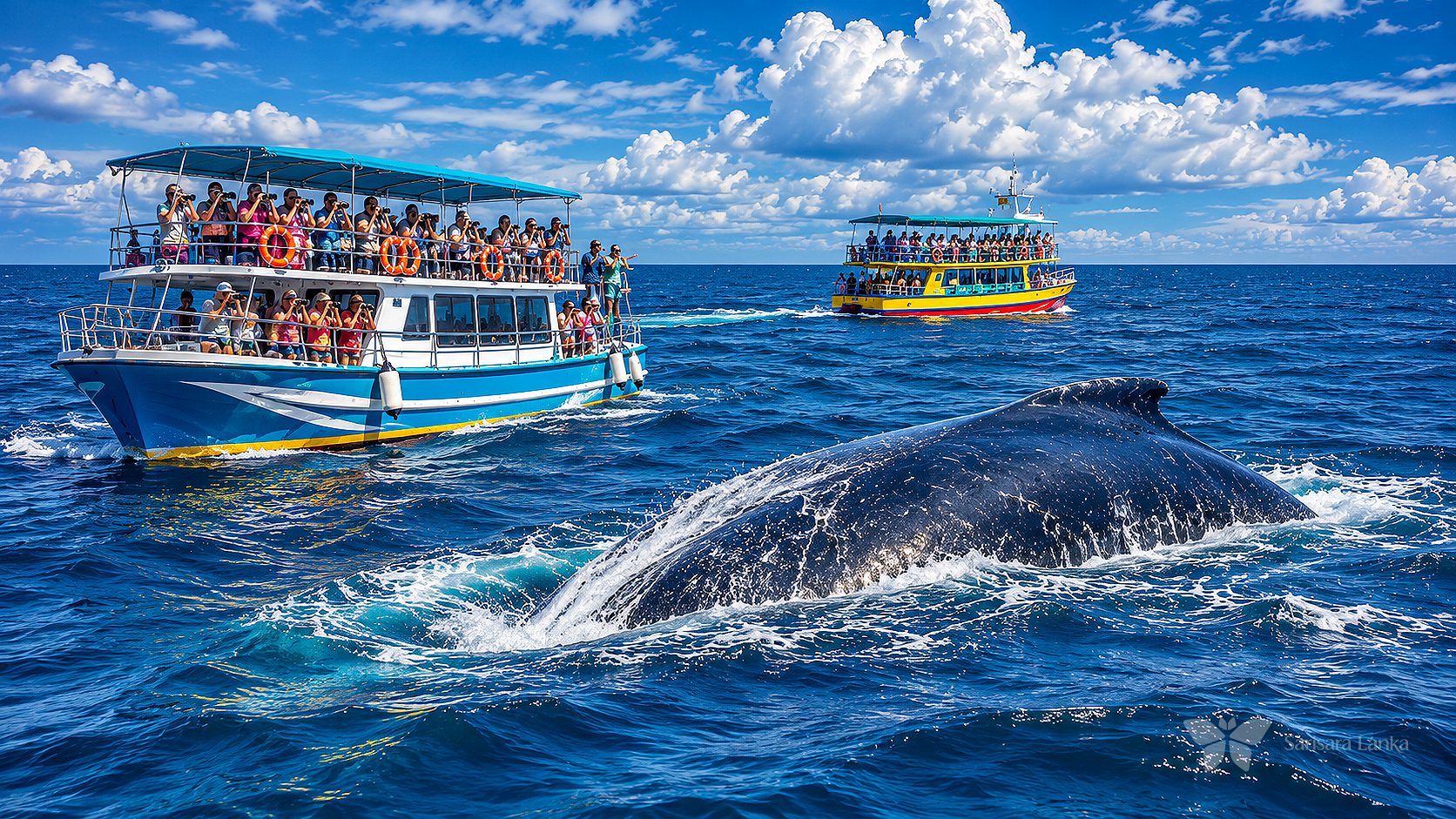
Mirissa is a fishing town on the south coast, in Matara District, about 150 km south of Colombo. Its fishing harbour is also where the whale and dolphin boats leave, early in the morning. Off Mirissa, whale watching runs from November to April. We told that story in Mirissa when the whale season begins: why blue whales come so close to this coast, and the Sri Lankan rule that boats must stay at least 100 metres away from a whale.
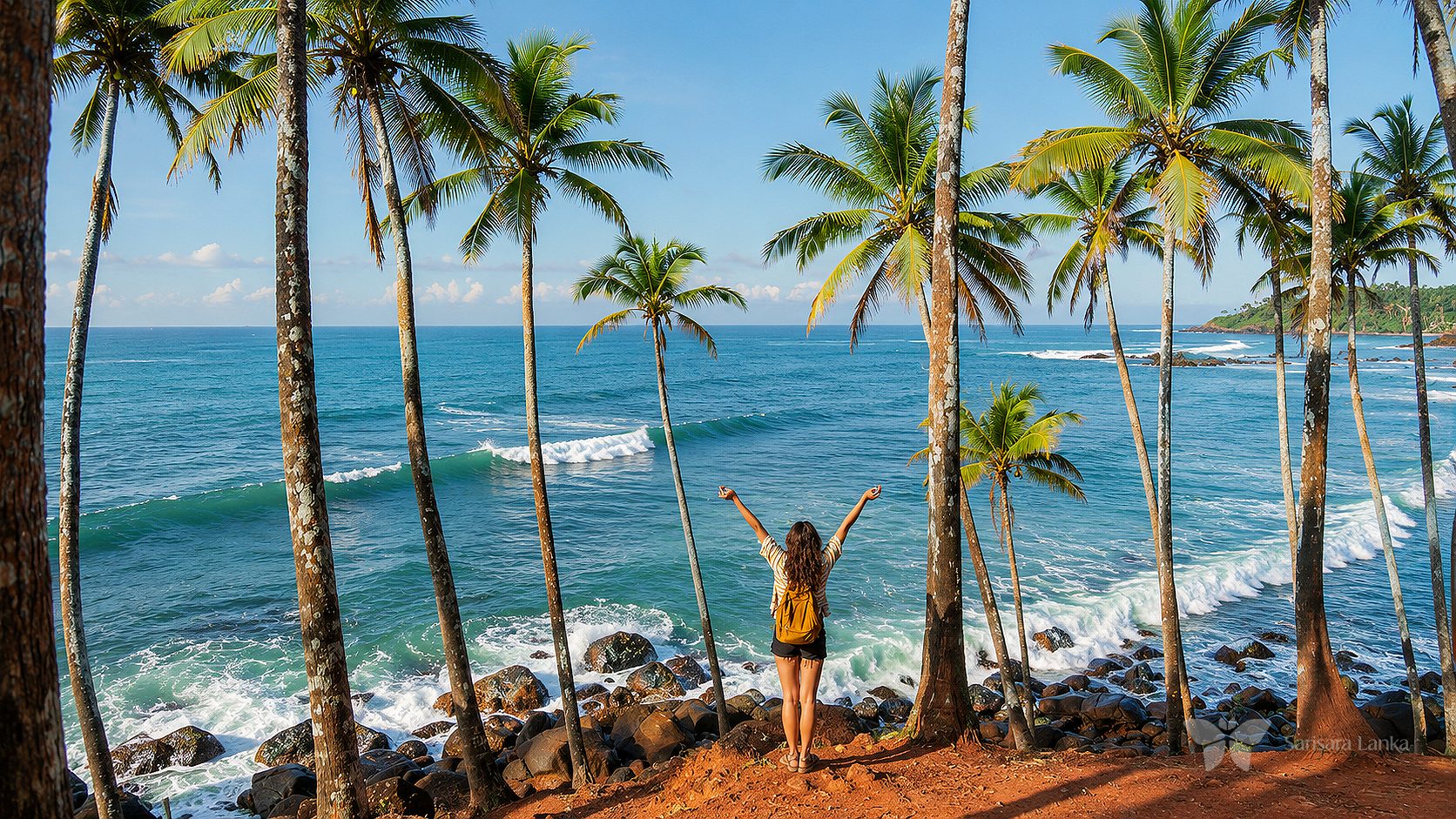
On land, the days are slow. A swim in the morning, a rice and curry lunch, the walk up the small hill of coconut palms at the end of the beach for the evening light. Read more on our page about Mirissa.
Galle Fort: a town inside the walls
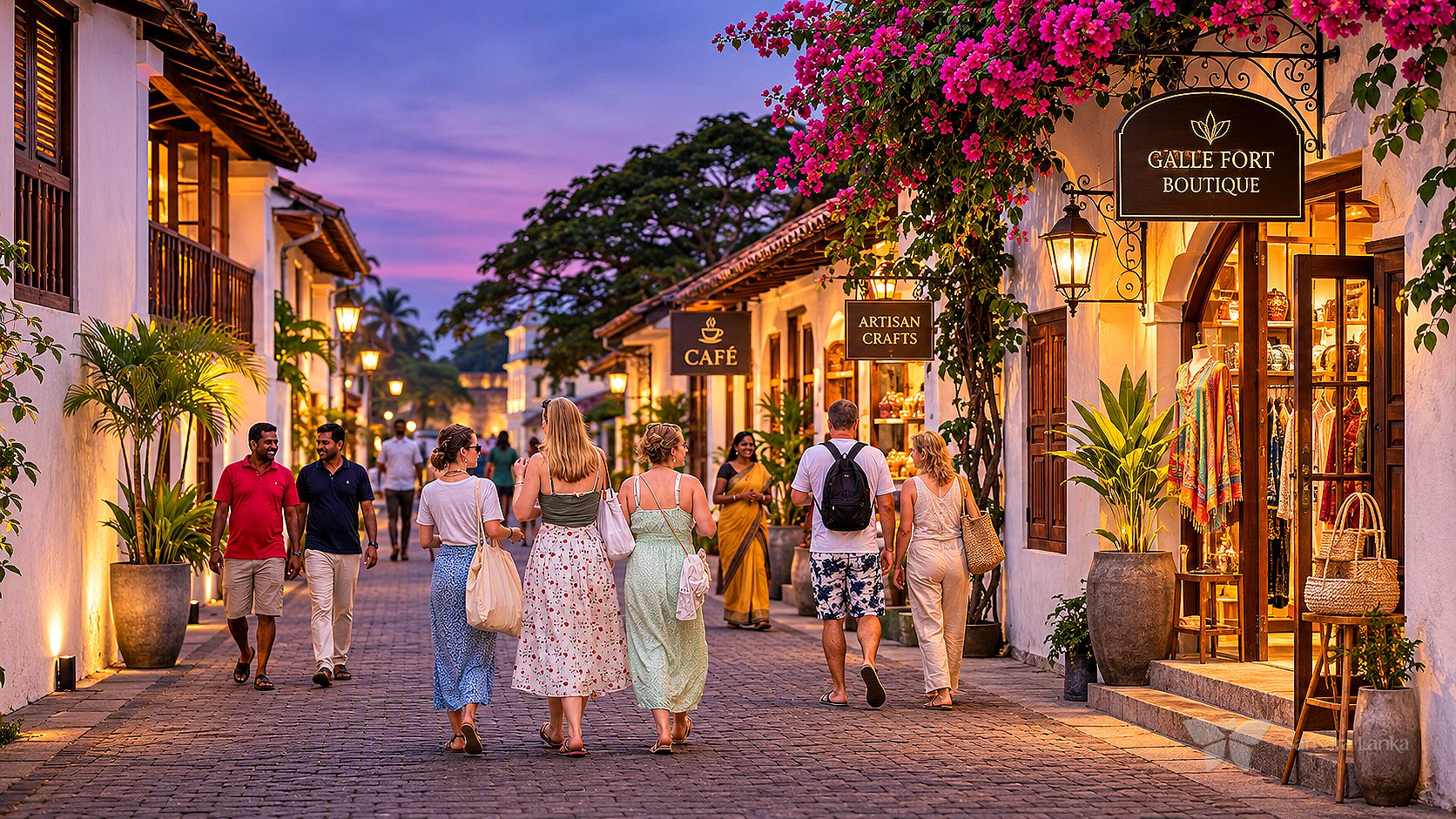
West along the coast is Galle. Its old town sits inside stone walls on a small rocky point above the sea. UNESCO lists the Old Town of Galle and its Fortifications as a World Heritage site, inscribed in 1988. The Portuguese built the first fort in the 16th century; the town grew most under Dutch rule, in the 18th century.
You can walk along the top of the old walls, with the sea below you. Read our pages about Galle Fort, the National Museum of Galle and the town of Galle.
Turtles on the sand
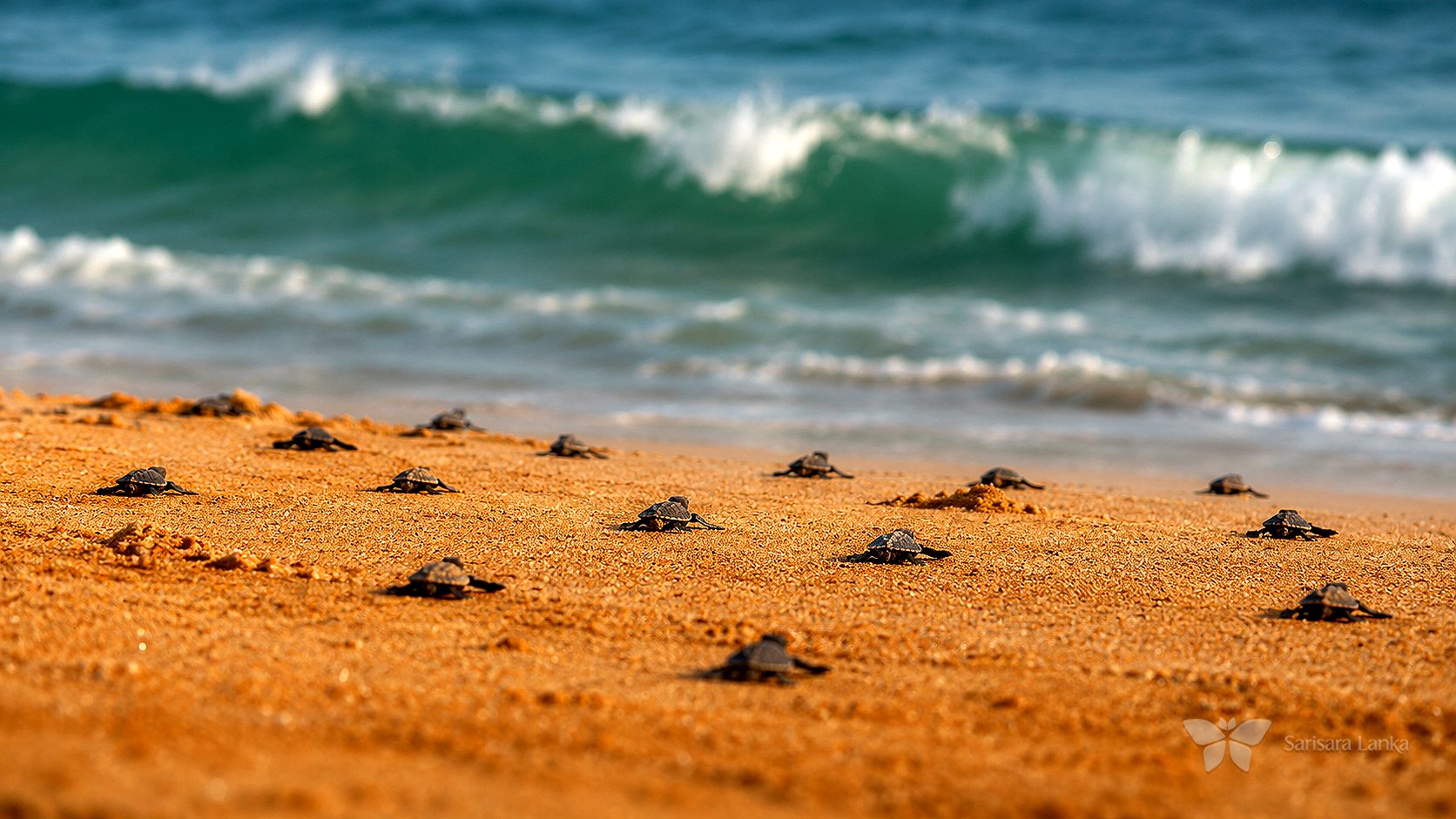
Five of the world’s seven species of sea turtle visit the shores of Sri Lanka to breed, notes the Embassy of Sri Lanka in Germany. One place to learn about them is the turtle hatchery at Kosgoda, on the coast between Colombo and Galle.
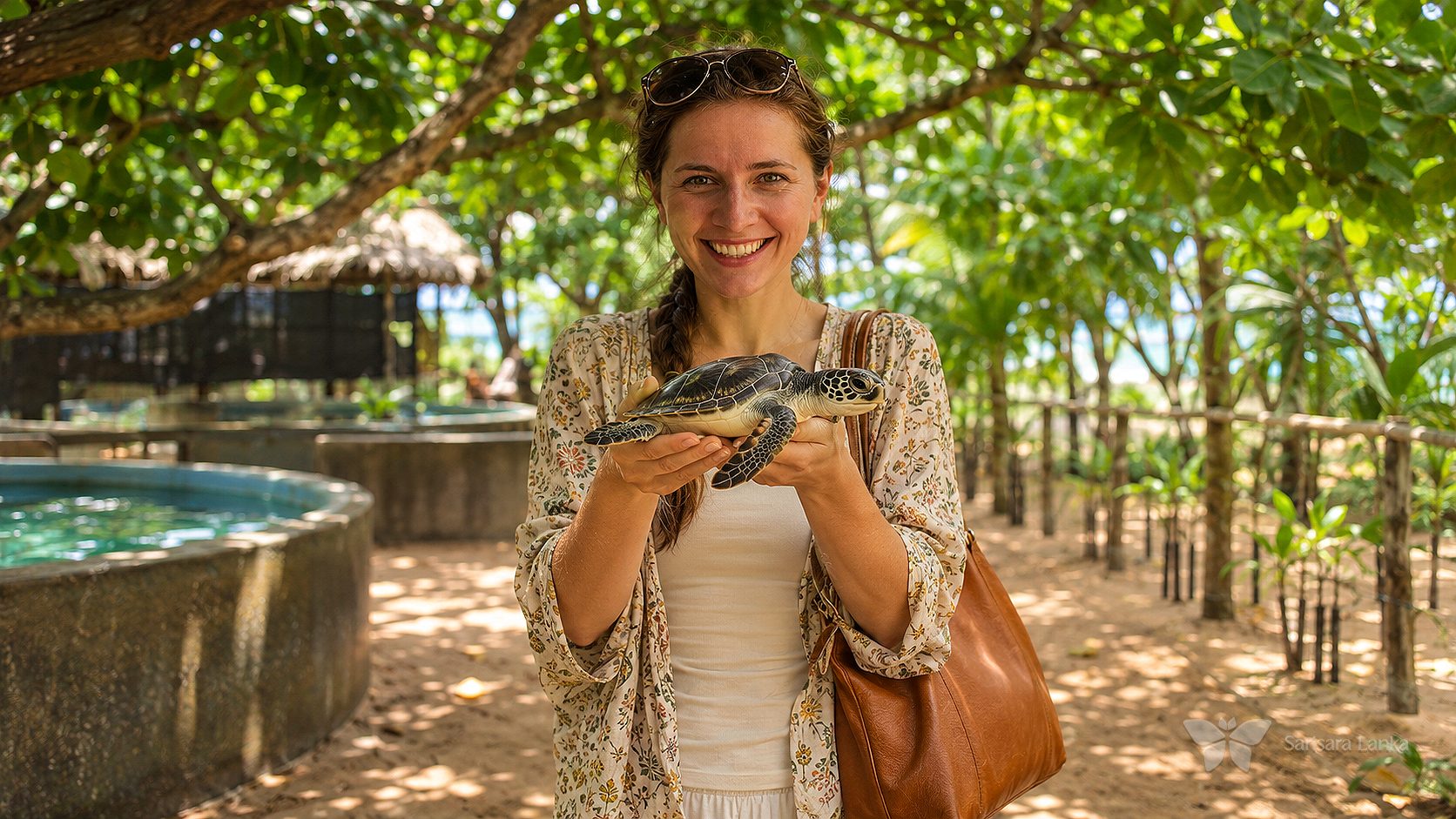
If you meet a turtle on a beach at night, stay back, keep quiet and keep your torch and phone light off.
Safe on the sand: the new coastal checks
On 23 September 2026 the Sri Lanka Tourism Development Authority wrote to the tourism businesses registered with it (letter SLTDA/SQA/2026/11/6), after a letter from the Disaster Management Centre of 4 September 2026. It asks every hotel and other place to stay in coastal areas to review its emergency plans: to keep clear evacuation plans for tsunamis and other coastal hazards, to mark safe evacuation routes, and to display the routes and safety information where guests and staff can easily see them.
For a traveller this is simple. On your first evening, look for the sign that shows the way to safety, and ask your host where it leads. The Tourism Hotline 1912 answers 24 hours a day, and the tourist ambulance service “Suwasariya” is 1990, both listed by the SLTDA.
Holidays on the coast
Full moon (Poya) days and public holidays are days off for many Sri Lankans, so expect more local families at the beaches and on the Galle Fort walls: lively days. These are the next ones, from the Central Bank’s official holiday lists:
What it means for you
- December to February: the south-west coast is outside the main monsoon rain. Expect sun-soaked days and a calmer sea.
- March and April: still warm and bright, with the chance of a thundershower in the afternoon or evening.
- Christmas and New Year: Busy — book early. It is a much-loved time on this coast.
- Whale mornings start early, from the harbour. Choose a licensed boat that keeps its distance.
- At the beach: swim where local people swim, and ask your host which parts of the beach are safe that week.
Plan your days on the south coast
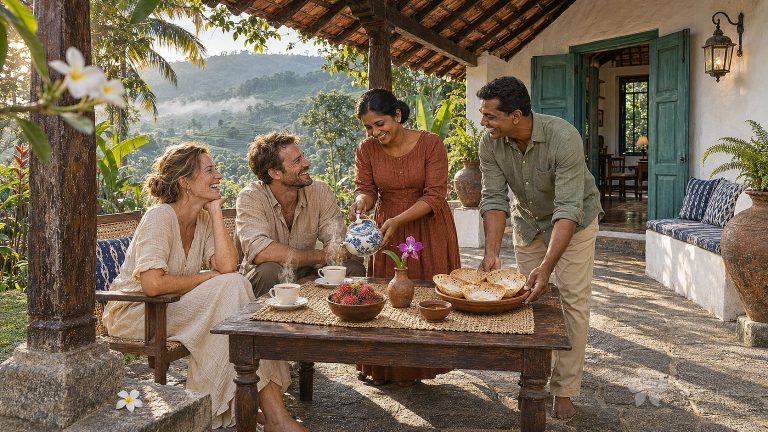
A few slow days on the south coast fit well at the end of a trip through the cultural triangle and the hill country. A Sarisara guide can link Mirissa, Galle Fort and Hikkaduwa, add a whale morning, and find you a villa or a home stay run by a Sri Lankan family close to the sea.
Questions
- Department of Census and Statistics, Statistical Abstract 2024, chapter 1 (climate and rainfall seasons; page updated 23 Nov 2026) www.statistics.gov.lk
- Department of Meteorology, daily weather forecasts 22–28 Nov 2026 meteo.gov.lk
- Sri Lanka Tourism Development Authority, letter SLTDA/SQA/2026/11/6 of 23 Sep 2026, Strengthening Emergency Preparedness and Safety Measures for Tourists in Coastal Areas www.sltda.gov.lk
- Disaster Management Centre, letter DMC/06/PP/Tsunami Readiness of 4 Sep 2026 www.sltda.gov.lk
- Sri Lanka Tourism Development Authority, important notices (Tourism Hotline 1912, Suwasariya 1990) www.sltda.gov.lk
- UNESCO World Heritage Centre, Old Town of Galle and its Fortifications (inscribed 1988) whc.unesco.org
- Embassy of Sri Lanka in Germany, five of the seven species of sea turtles visit the shores of Sri Lanka to breed srilanka-botschaft.de
- Central Bank of Sri Lanka, bank holidays 2026 www.cbsl.gov.lk
- Central Bank of Sri Lanka, bank holidays 2027 www.cbsl.gov.lk
- The Morning (23 Feb 2025), the Sea Mammals Regulations and the 100-metre rule www.themorning.lk
- Wikipedia, Mirissa (location, district, distance from Colombo) en.wikipedia.org